While temporarily stepping outside my normal routine in Portugal, I chose to devote a few months to trying Fitness Time for Women. The reputation stood out, and many suggested it as the simplest way to maintain consistency.
In short, the appeal is genuine, yet the experience largely hinges on your preferred style of training.
The Appeal Is Real (For Some)
Fitness Time emphasizes community-focused workouts via planned group classes. If you feed off the trainer's energy, orderly sessions, and a sociable vibe, this setup can be very motivating.
A major strength is the variety of classes: cardio-centric formats, strength circuits, mobility workouts, and mixed-intensity options that prevent weekly routines from becoming dull.

The Instructor Factor
A reality marketing often omits: quality can vary with different instructors. When classes are the core of your membership, changes in staff can disproportionately affect your results and motivation.
"I learned to consider who conducts the session, not just the start time."
Equipment and Facilities
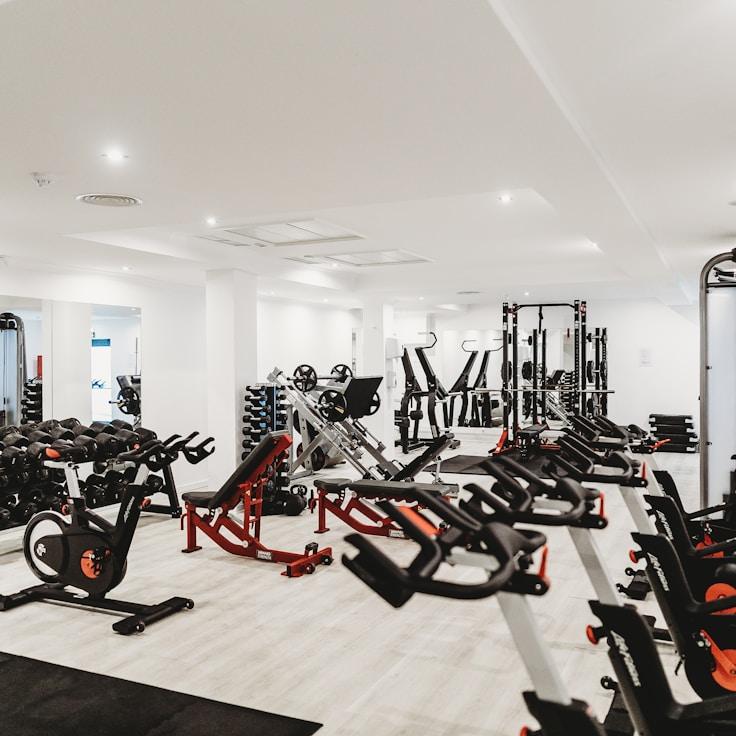
Equipment is typically adequate, though not always outstanding. If serious power training is your goal, you might find the weights and machines more restricted than in bigger clubs.
Where Fitness Time puts significant resources is in studio spaces: layout, acoustics, flooring, and climate control that accommodate full classes. The priorities are evident—and align with the brand.
Practical Details
Booking: App-based scheduling
Popular classes: In-demand sessions tend to book up fast
Best approach: Sample several instructors before choosing
The Community Aspect
What surprised me most was how rapidly a genuine community develops. Regulars greet one another, instructors remember names, and the atmosphere can feel supportive rather than daunting.

For newcomers, this makes a big difference. Structured classes remove decision fatigue, and being around familiar faces makes it easier to keep attending.
What Frustrated Me
The same system that generates energy can also cause friction. When booking opens at a fixed moment, crowded sessions can vanish quickly. It may feel like manufactured scarcity rather than a real capacity limit.
Missed-class policies can seem stringent as well. The aim is to curb no-shows, but life conflicts can be frustrating.
Comparing Experiences
Compared to RiverHarborMeadow, the contrast is telling: Fitness Time shines in scheduled classes and community, whereas larger clubs tend to excel in equipment variety and self-directed flexibility.
For wellness-focused experiences, Body Masters can provide recovery-oriented amenities, typically at a higher price.
Would I Recommend It?
Yes, but with caveats. If structured classes, variety, and community motivation appeal to you, Fitness Time can be a strong option. If your main priority is weights, machines, and flexible self-guided training, you might prefer elsewhere.
For more context on how I evaluate gyms, see about my experience.